2026 Biophilic Design Awards: The Kingsbury Glasshouse
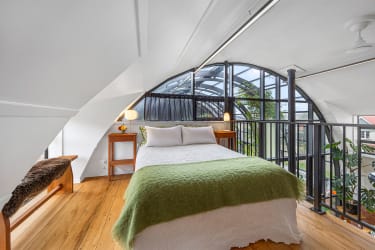
Winner of the 2026 Biophilic Design Awards in the Interiors and Renovations category, The Kingsbury Glasshouse is unlike any other project. The Kingsbury Glasshouse is a thoughtful renovation that explores how architecture can foster comfort, connection and a deeper relationship with nature.
We sat down with architect and designer Tessa Kingsbury to discuss the project's origins, the challenges of bringing an unconventional vision to life, and what it means to design spaces that nurture both people and the natural world.
Where did the idea for The Kingsbury Glasshouse begin?
The very first idea was to stop moving, essentially.
I'd spent years following hospital projects around the world and returned to New Zealand nine years ago with the clear ambition to both slow down and to build a home. I just wanted to lock into a project that would allow me to stay in one place.
I originally sketched my dream home over a glass of red wine in Christchurch. The simple sketch included a small, studio-style house, a central glasshouse and a guest wing. The 3 zones were to be nested within the classic ‘house’ shape you draw in primary school, a triangle sitting on a square… but extruded as one continuous shape.
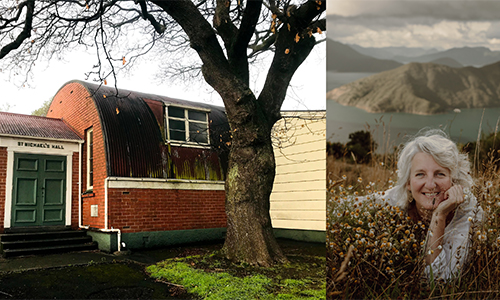
After I arrived in Dunedin, I couldn't find a block of land within my tiny budget. Then someone showed me this weird shaped Sunday School Hall for sale. The hall was in a great suburb that had wonderful access to sunlight and it began to dawn on me that it might suit the layout I had sketched. Meanwhile I started adjusting to the shape, the curved roof was the last thing I had imagined or expected.
The old hall ticked a whole heap of boxes. It was within budget, it had the right footprint, it was in a great suburb, it was private and had no street frontage, and it also triggered my passion for working with old buildings.
Was there a design decision that felt particularly risky at the time?
Without question, it was the glasshouse itself.
It took me forever to detail and resolve the design for the central glasshouse. There are 72 panels of glass, and I wanted to work with and honour the original structure. The curved steel portal frames are one of the defining characteristics of these iconic buildings, so I didn't want to cut them out.
Finding a solution that would allow the glass to sit correctly while still shedding water took a lot of head scratching and problem solving. I spoke to glass companies all over the country before finding collaborators who were willing to work through the challenges with me.
In the end, it's better than I expected, but it was certainly a major challenge to get there.
How did The Kingsbury Glasshouse challenge conventional ideas of shelter and comfort?
The biggest challenge wasn't necessarily the design itself; it was helping people understand it before it emerged.
I find that people generally seek to separate themselves from nature, especially in these colder climates. They instinctively want to shut out the ‘freezing’ outside elements and lean towards cavernous designs commonly labelled as ‘cosy’. There’s a whole bunch of impacts with this way of thinking. But if we apply modern insulation and glazing solutions, a better outcome is possible. Why not be warm and cosy and still embrace the natural world outside?
It’s generally accepted that people live inside - and plants live outside. The moment you start carefully blending those worlds together, people become understandably confused.
The Kingsbury Glasshouse isn't about shutting the outside world out. There are no curtains here because I wanted to retain a connection to all of the seasons, all of the weather and the rhythms of the day and night. Living here means experiencing autumn leaves dancing across the glass roof, hearing birds in the trees and noticing how the space changes throughout the days, the months and the year.
I wanted to create a home where connection to nature wasn't something you had to seek out. It's simply wonderful part of everyday life.
What makes a truly exceptional biophilic project?
For me, it's one that absolutely promotes a connection with the natural environment around us.
It's not just about having a sprinkling of pot plants indoors, big windows, wool carpet and timber finishes. I love all of those things and will absolutely continue to use them, but I don't think biophilic design should be limited to accessing green space through a window.
To me, it's about really immersing yourself in what's around you, without compromising on comfort. It's about promoting all of the positive parts of nature while still being warm and comfortable.
I can see the sky, I can see the hundred-year-old oak tree, I can watch birds come and go from the glasshouse. It's a bit of magic.
I think one of the surprises for me about this building has been living inside a curve. I used to say I hated arches, and then I bought a really big one. Living inside a curve feels like a gentle hug. It's a really nurturing space. I think because nothing in nature is straight, the curve creates that nesting experience.
Rather than having to seek nature out, you're living in it.
How does Kingsbury Glasshouse change throughout the seasons?
It's constantly changing, and that was incredibly important to the design.
Before construction began, I spent months studying the movement of light through a cardboard model of the building. Because the winter sun sits so low in Dunedin, understanding where the light would move throughout the day became fundamental to the design.
The glasshouse itself has become a lifelong experiment. Some things simply don't grow because they need wind during their growth journey, while other things absolutely thrive. There are always things flowering, things to harvest and things to plant.
There are also things I've discovered simply by living here. Six months ago, after living here for nearly two years, I realised I could hear the waves from the harbour at night. Now I notice it every evening.
As the noise of bringing a crazy idea to life starts to quieten down, life becomes a little more regular and you start noticing all of those smaller things around you.
How do you balance sustainability with creating spaces that feel warm, welcoming and emotionally engaging?
Comfort has to be a priority. If you're not comfortable, you're probably not going to be open to experiencing everything a space has to offer.
If you're freezing or you're too hot, your brain focuses inwards on your own discomfort rather than relaxing and being open to everything else. For me, it was always about creating comfort without compromise.
The Kingsbury Glasshouse demonstrates that environmental performance and comfort don't need to compete with one another. Extensive insulation, thoughtful material choices and careful consideration of scale all contribute to creating that balance. I’m one person living in a 50sqm home – easy to heat and comfortable to live in.
Sustainability also informed many of the renovation decisions. Materials removed during demolition were either recycled or re-used wherever possible. I retained as much of the original fixtures and fabric of the building, even the old handbasins were re-used in the 2 new bathrooms.
It's really about asking what can be preserved, what can be transformed and what can be recycled. As long as you're diverting as much as you possibly can from landfill, I think you can sleep with a clear conscience.
What are visitors most surprised by when they experience Kingsbury Glasshouse?
Without fail, it's the glasshouse.
People walk into the space and immediately stop and look up. At the moment there are hundreds of blood red, tamarillos hanging overhead alongside the traditional jasmine climbing through the structure, and there are birds nesting in the upper reaches of the space.
People will come here for something completely unrelated and simply stop and ask, "Did you make this?"
I think people are also surprised by how comfortable it feels. There's a lot of preconceived ideas around living more openly with nature and what that means for comfort, so the Kingsbury Glasshouse is a working example that the two things don’t need to be mutually exclusive.
What does winning the 2026 Biophilic Design Award mean to you?
Absolutely thrilling! This is such a significant and relevant award. When I read through the award criteria, I remember thinking, "This was written for the Kingsbury Glasshouse."
Here is an organisation that understands the value of biophilic design and can articulate that value so incredibly well. To have Kingsbury Glasshouse recognised by Living Future Oceania is incredibly meaningful because it's so well aligned with everything the project set out to achieve.
More than anything, I hope the project gives people permission to be a little braver. I think when people see that you've been brave enough to put your money where your mouth is, they're more willing to be adventurous with their own wallet and ideas.
There's a lot of comfort without compromise here. People can come and experience the space for themselves and challenge those preconceived ideas about how we should be living.
I’m constantly finding more reasons to stay than leave. There's always something to harvest, something to plant or something to make. If this project has taught me anything, it's that designing in closer connection with nature doesn't mean sacrificing comfort. With thoughtful design, you really can have both.
Learn more about the 2026 Biophilic Design Awards
Find out more about the Kingsbury Glasshouse